 +1 562-254-5145


Crypto transactions have shifted from an optional feature to a core layer for digital products. Marketplaces, SaaS tools, and creator ecosystems need systems that work across borders and user segments. Traditional rails often fall short when it comes to speed, coverage, and flexibility. Crypto enables faster settlement with fewer intermediaries in the flow. It also removes some of the friction tied to cross-border transfers. For many products today, this is simply part of how money moves.
The infrastructure behind these flows is far from uniform. Some providers focus on checkout experience, while others handle compliance, settlement, or back-end processing. In most cases, teams combine several tools to cover different parts of the flow. That leads to added complexity and more points of failure. Choosing the right setup depends on how transactions actually work inside your product. The providers below reflect different ways to approach crypto transactions in real digital environments.
1. Paybis Ltd
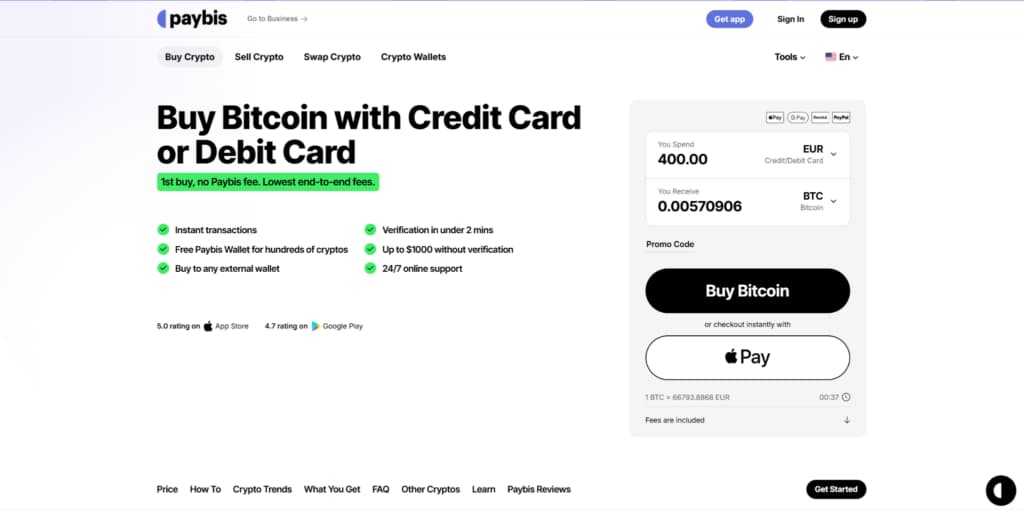
Paybis works as a unified layer for handling both crypto and fiat transactions. It allows businesses to manage incoming funds and conversion flows within a single system. Marketplaces and apps can accept digital assets and convert them without relying on multiple providers. Global coverage supports operations across different regions. This approach reduces reliance on separate services for handling funds and currency exchange.
Unified Payment and Conversion Setup
Many businesses deal with fragmented systems when working with digital assets. Accepting crypto is only one part of the flow. Converting and settling funds introduces additional complexity. A unified setup removes the need to split these steps across different vendors. It makes the entire process more consistent and easier to manage.
The platform supports platform-level payment flows through:
- Crypto payment acceptance across multiple assets;
- Conversion between fiat currencies and crypto;
- Integrated wallets for storing and routing funds;
- Global payment coverage across regions;
- Support for different business models and platforms.
Paybis fits platforms that want payments and conversion in one integrated system.
2. NOWPayments

NOWPayments focuses on simple crypto payment acceptance. The platform works as a gateway that integrates quickly into existing systems. Support for a large number of cryptocurrencies expands payment flexibility. Businesses can accept payments without deep technical setup. This lowers the barrier to entry for smaller platforms and SaaS products.
Flexible Crypto Payment Acceptance
Flexibility matters when dealing with different users. Some prefer specific coins or networks. Supporting multiple options increases payment success rates. A simple integration model helps platforms launch faster. Testing crypto payments becomes possible without major upfront investment.
NOWPayments supports payment operations through:
- Support for a wide range of cryptocurrencies;
- Simple API and plugin-based integration;
- Payment acceptance for websites and platforms;
- Auto-conversion options for received funds;
- Tools for managing transactions and invoices.
NOWPayments suits platforms prioritizing flexibility and quick setup.
3. BitPay
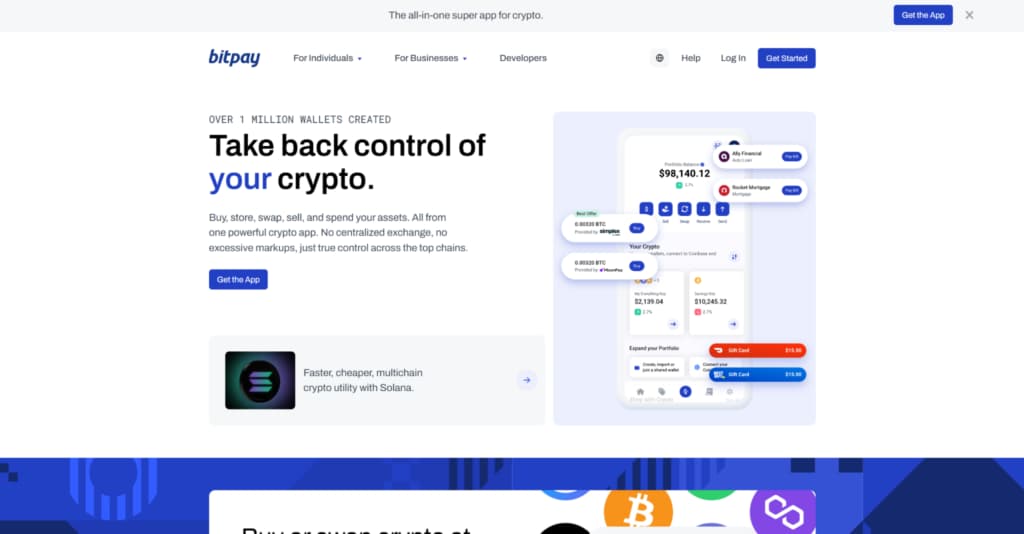
BitPay is one of the most established crypto payment processors. Businesses and enterprise platforms use it widely. The system focuses on reliability and predictable execution. It supports both stablecoin and crypto payments. Businesses can convert funds into fiat if needed. That reduces exposure to price volatility.
Stable Processing for Large Platforms
Larger platforms require stability and trust. Payment failures directly affect revenue. Enterprise providers need predictable systems that do not break under load. BitPay focuses on consistent performance. Settlement options give businesses control over their currency exposure.
BitPay enables platform payments through:
- Crypto and stablecoin payment acceptance;
- Optional fiat settlement for businesses;
- Integration with enterprise systems;
- Strong brand recognition and trust;
- Tools for transaction tracking and reporting.
BitPay fits platforms needing a stable and established payment infrastructure.
4. CoinGate

CoinGate is designed for online businesses that want to accept digital assets while keeping financial operations predictable. It allows companies to receive crypto and convert it into traditional currency without additional steps. This approach helps reduce exposure to price volatility. The system integrates easily with e-commerce and SaaS products. Teams can handle transactions and settlements from a single interface.
Crypto Payments with Fiat Settlement
Many businesses rely on stable revenue for planning and reporting. Holding digital assets is not always practical from a treasury or accounting perspective. Converting incoming funds into fiat removes this uncertainty. It allows companies to work with crypto without taking on market risk. CoinGate is built around this model and supports consistent financial operations.
CoinGate supports platform payments through:
- Crypto payment acceptance for digital products;
- Fiat settlement options for businesses;
- Integration with e-commerce and SaaS tools;
- Support for multiple cryptocurrencies;
- Tools for managing payment flows.
CoinGate suits platforms prioritizing predictable fiat revenue from crypto payments.
5. Coinbase Commerce

Coinbase Commerce is often chosen by teams that do not want to build crypto acceptance from the ground up. It works as a ready-to-use layer that plugs into existing products with minimal effort. Being tied to the Coinbase ecosystem adds familiarity for users who have already interacted with it before. It supports the most widely used digital assets, so there is no need to manage dozens of integrations. Getting it live usually takes far less time than building a custom setup. For many teams, it is simply the fastest way to start working with crypto in a real environment.
Simple Entry into Crypto Payments
For many products, ease of setup plays a key role in adoption. Complex systems slow things down and require additional resources. A clean and predictable setup helps teams go live faster. Coinbase Commerce prioritizes usability over advanced configuration. This lowers the technical barrier and makes crypto easier to integrate into existing flows.
Coinbase Commerce supports payments through:
- Crypto payment acceptance for platforms;
- Integration with existing checkout flows;
- Support for major cryptocurrencies;
- Simple setup process;
- Basic transaction tracking tools.
Coinbase Commerce fits platforms just starting with crypto payments.
6. Triple-A

Triple-A is built around regulated crypto transactions in environments where licensing and compliance are critical. It operates in jurisdictions with strict financial requirements, making it suitable for businesses that cannot take regulatory risks. Companies use it to process transactions while staying aligned with local laws. The system is designed to handle digital asset flows across multiple markets without compliance gaps.
Compliance-Driven Payment Layer
Regulation is a key factor in many industries working with digital assets. Businesses must follow strict KYC, AML, and licensing requirements. The right provider should support these processes without slowing down operations. Triple-A is structured to meet these demands from the ground up. It enables companies to run compliant operations across different regions with fewer legal and operational risks.
Triple-A supports payments through:
- Regulated crypto payment processing;
- Compliance and licensing support;
- Integration with financial platforms;
- Support for multiple assets;
- Tools for managing regulated transactions.
Triple-A suits compliance-focused platforms operating in regulated markets.
7. Cryptomus

Cryptomus is built for high-volume crypto transactions and mass payouts. It is commonly used in industries where speed and consistency directly affect user experience. Businesses rely on it for frequent transfers where even small delays can cause friction. The system is designed to handle large transaction loads without breaking under pressure.
Payments for High-Volume Environments
Some industries depend on constant transaction flow. iGaming and similar sectors process thousands of transfers every day. These environments require systems that stay stable even under heavy load. Cryptomus is designed specifically for these conditions. It supports both incoming transactions and outgoing fund distribution without interruptions.
Cryptomus supports platform operations through:
- Fast crypto payment processing;
- Support for multiple cryptocurrencies;
- Tools for managing payouts;
- Infrastructure for high-volume transactions;
- Integration with digital platforms.
Cryptomus fits high-volume and high-risk platforms that need speed and reliability.
Final Thoughts
Crypto transactions have moved from niche tools into core infrastructure for digital products. The challenge is not adding crypto, but making it work reliably within real financial flows. Most providers cover only part of the process, so businesses end up combining multiple systems. What matters is how smoothly funds move across the entire flow without delays or failures. Simple setups often break under real volume and expansion. In the end, performance under real conditions defines whether the system can scale or not.
